
Sea Moss Gel Made Simple
Learn what Sea Moss Gel is, how it’s made, how people traditionally use it, and simple ways you can add it to your daily wellness routine.
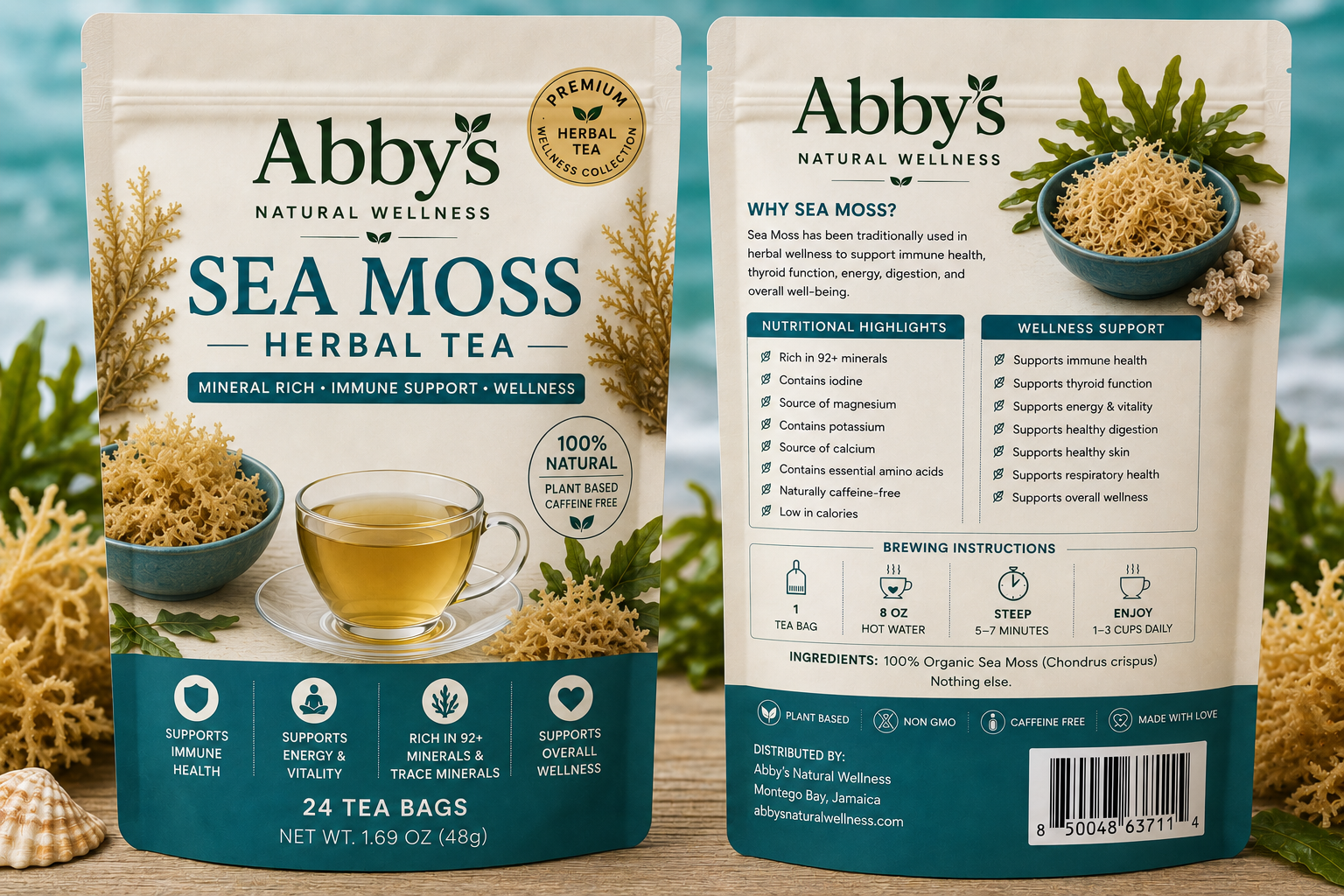
Quick Facts About Sea Moss Gel
Natural & Plant-Based
Sea Moss Gel comes from dried sea moss that’s cleaned, soaked, and blended into a nutrient-rich gel.
Caribbean Wellness Root
Used for generations in Caribbean wellness traditions as part of daily nutrition routines.
Versatile in Use
Add it to smoothies, juices, soups, oatmeal, yogurt, or take it plain for a daily boost.
Mineral-Rich
Contains naturally occurring minerals like iodine, potassium, and calcium from ocean water.
Easy to Store
Refrigerate for up to 3 weeks or freeze for longer storage when properly sealed.
What Is Sea Moss Gel?
Sea Moss Gel is a nutrient-dense gel made from dried sea moss (Irish moss or Chondrus crispus), a seaweed rich in minerals like iodine, potassium, and calcium. The dried moss is cleaned, soaked until soft, then blended with water into a thick, smooth gel. It’s traditionally used in Caribbean wellness routines and is commonly added to smoothies, juices, soups, and other foods as a daily wellness support.
What Is Sea Moss Gel?
Sea Moss Gel is one of nature’s simplest wellness foods. It starts as dried seaweed—specifically a variety called Irish moss or Chondrus crispus—that grows on rocky coastlines in cold ocean waters.
When you transform dried sea moss into gel form, you unlock a nutrient-dense food that absorbs easily into your daily routine. The gel is thick, smooth, and nearly tasteless, which is why people mix it into everything from smoothies to soups without changing the flavor of what they’re eating.
The reason people reach for Sea Moss Gel comes down to one simple fact: seaweed pulls minerals from the ocean. When you consume the gel, you’re getting iodine, potassium, calcium, magnesium, and other trace minerals that support your body’s basic functions.
Sea Moss Gel isn’t a supplement with a synthetic ingredient list. It’s a whole food in gel form—something people in the Caribbean have used for generations as part of their everyday wellness practices.
How Sea Moss Gel Is Made
Making Sea Moss Gel at home is straightforward. The process takes a few steps but minimal active time. Here’s exactly how it works:
Step 1: Cleaning
Dried sea moss arrives with debris—sand, small shells, and salt residue. Rinse it thoroughly under cold running water, working it through your hands to remove visible particles. This step is crucial. Repeat the rinse 2–3 times until the water runs clear and the moss feels clean.
Step 2: Soaking
Place the cleaned sea moss in a large bowl and cover it with cold water. The moss will expand and soften as it absorbs water. Let it soak for 12–24 hours at room temperature or in the refrigerator. The longer you soak it, the softer and easier it becomes to blend.

Step 3: Blending
Drain the soaked moss and add it to a high-powered blender. Add fresh water—start with 1 cup of water per 1 cup of soaked moss, then adjust based on the thickness you want. Blend on high speed until completely smooth. This usually takes 1–2 minutes. The gel should be creamy and uniform with no visible chunks.
Step 4: Refrigerating
Pour your freshly blended gel into clean glass jars and refrigerate immediately. Sea Moss Gel thickens as it cools. Store it in the refrigerator where it lasts 3–4 weeks, or freeze portions in ice cube trays for up to 3 months.
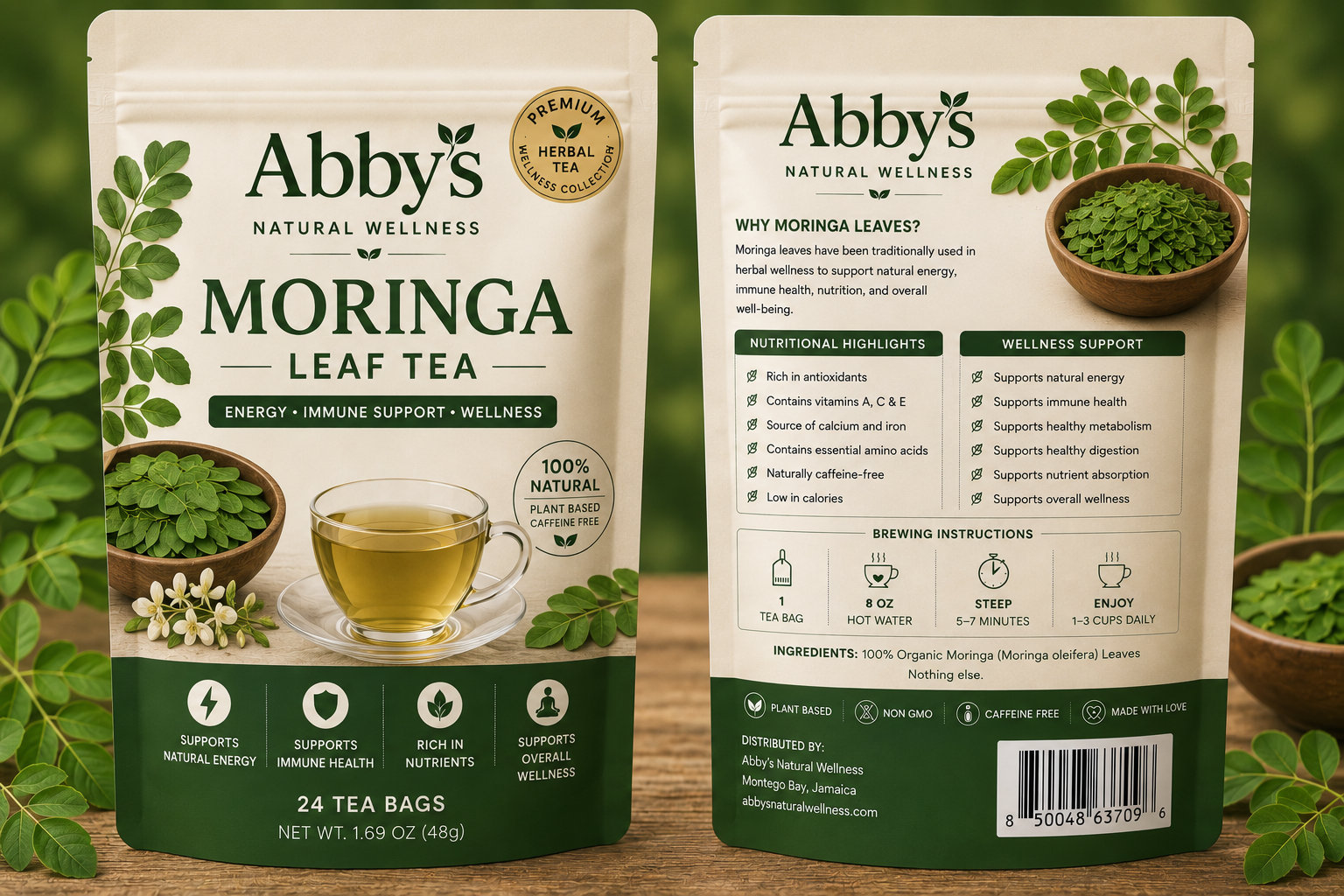
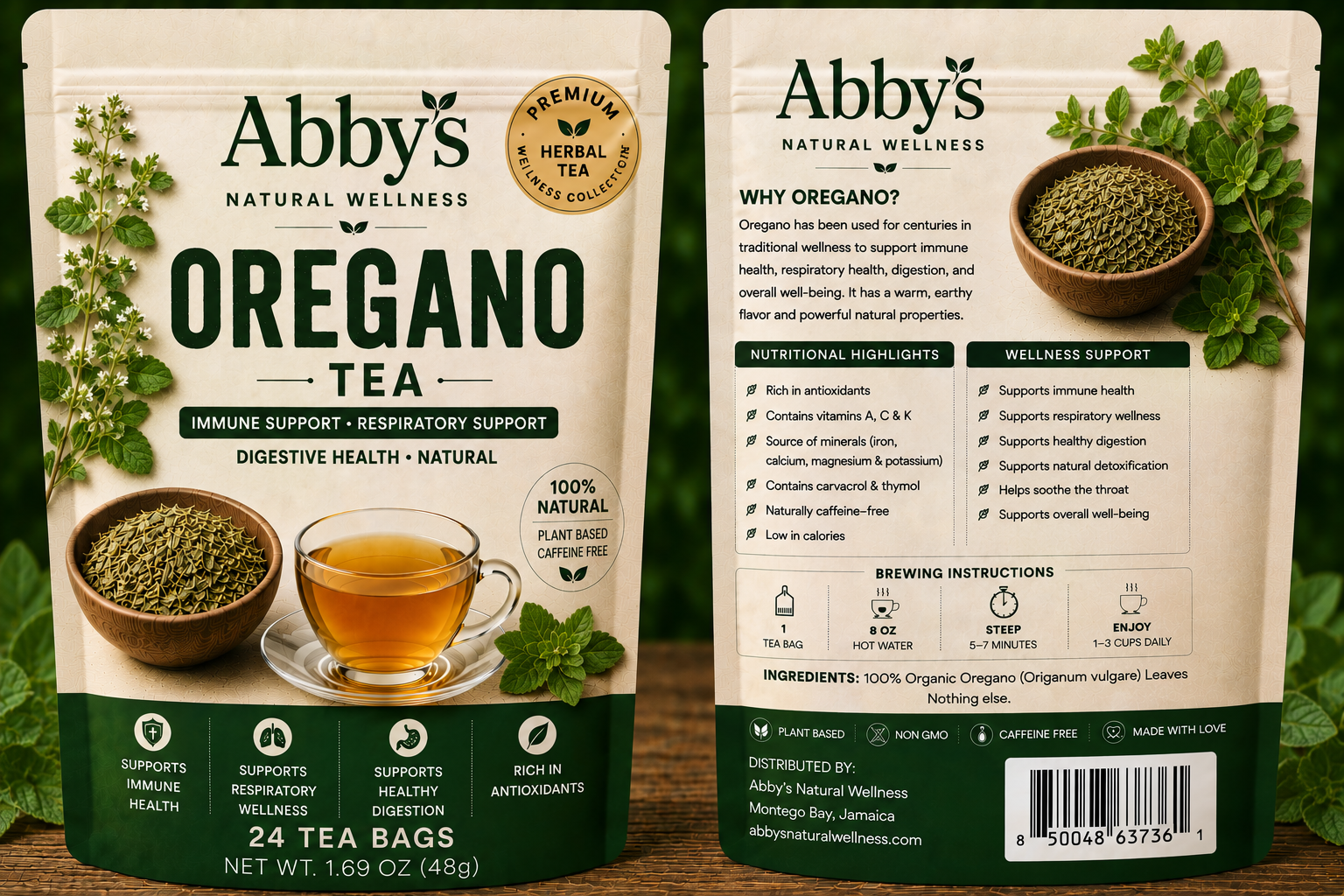
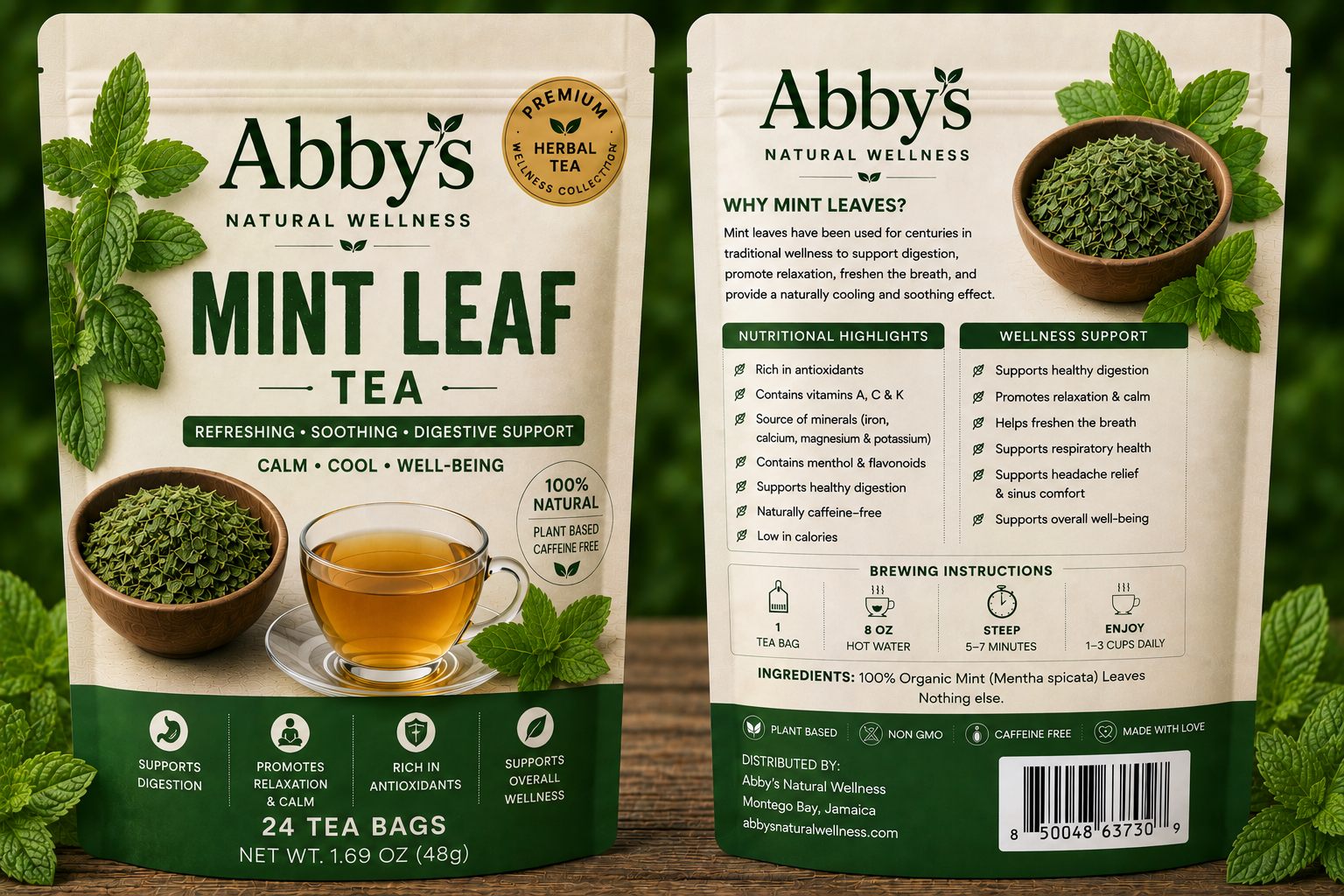
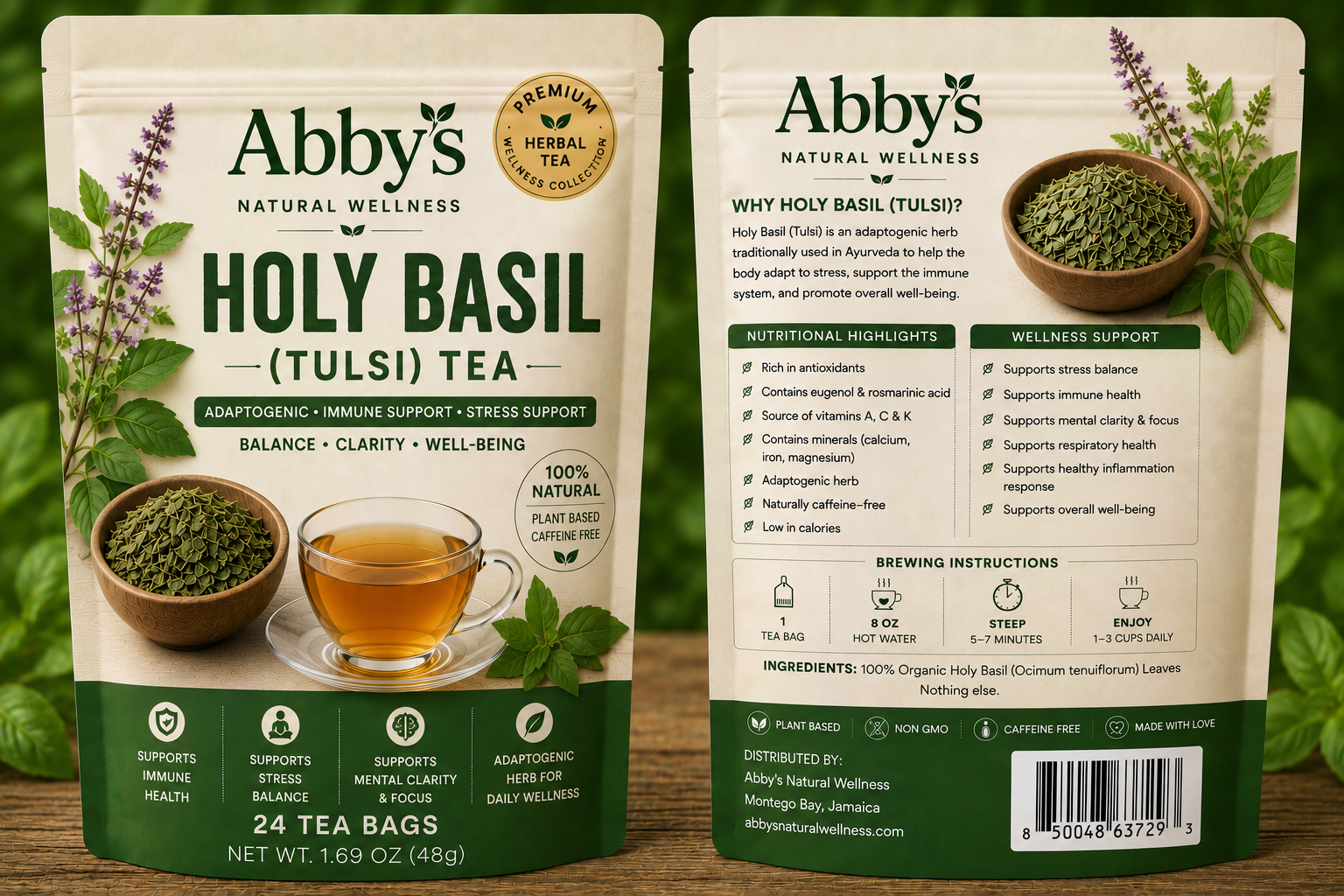
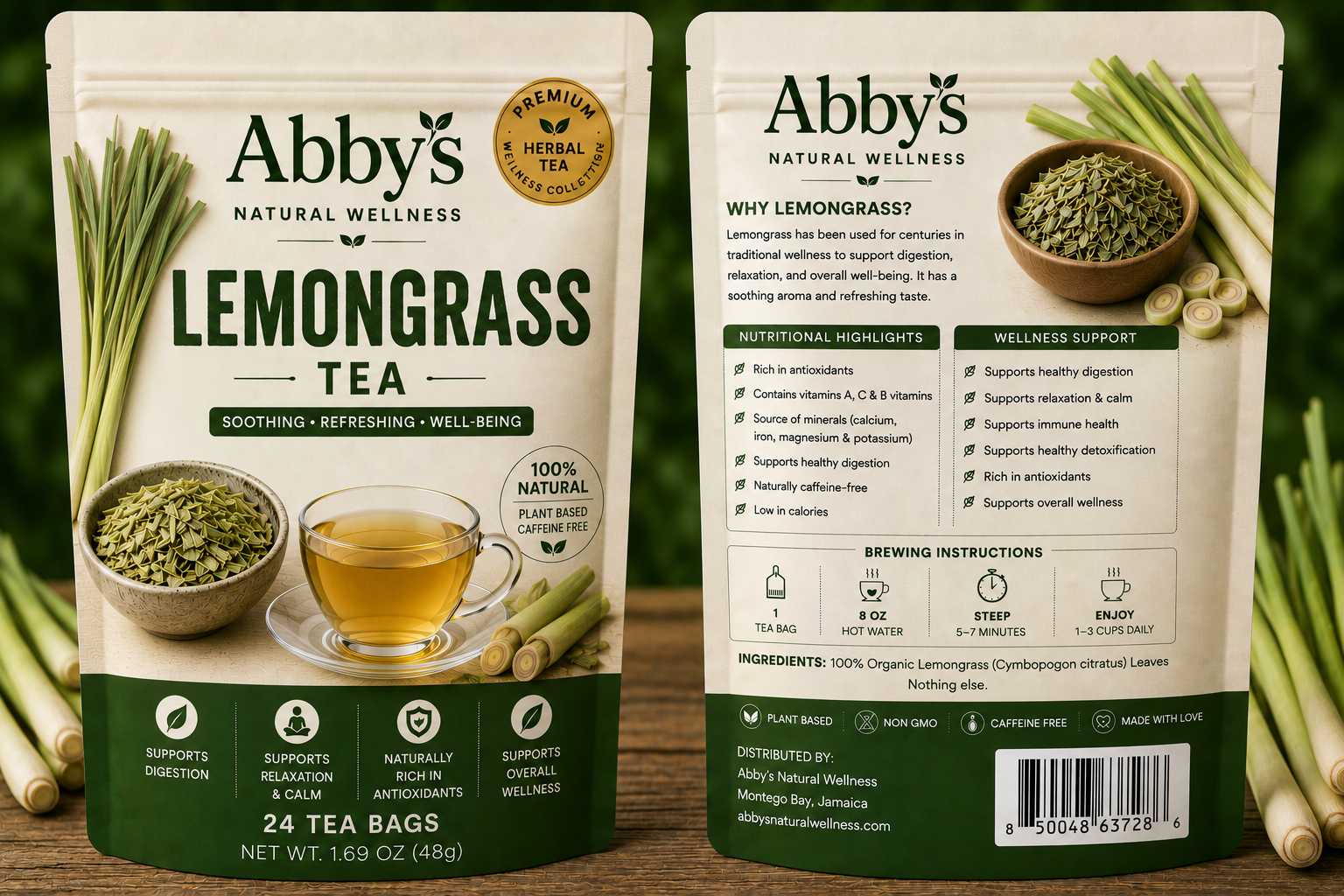
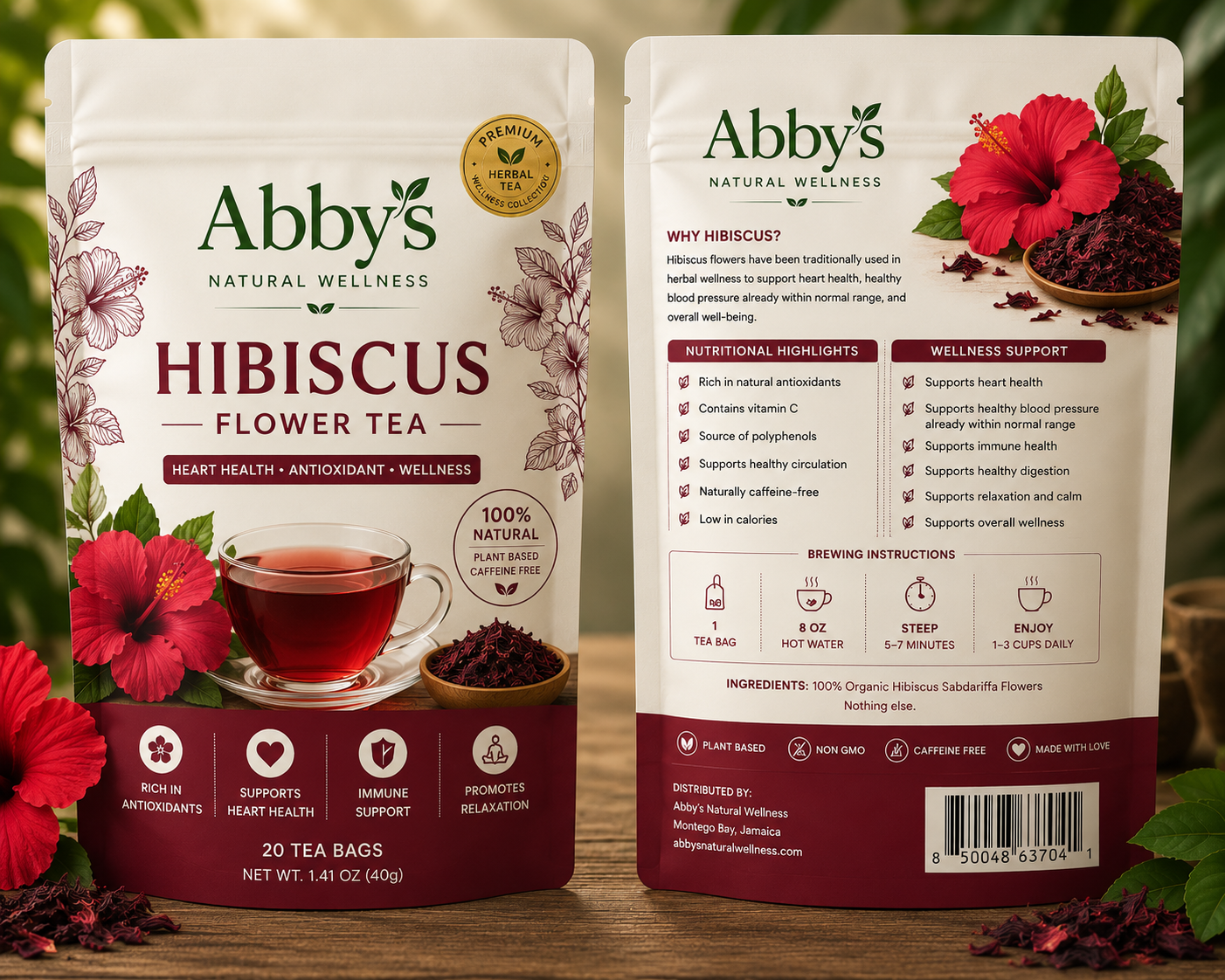
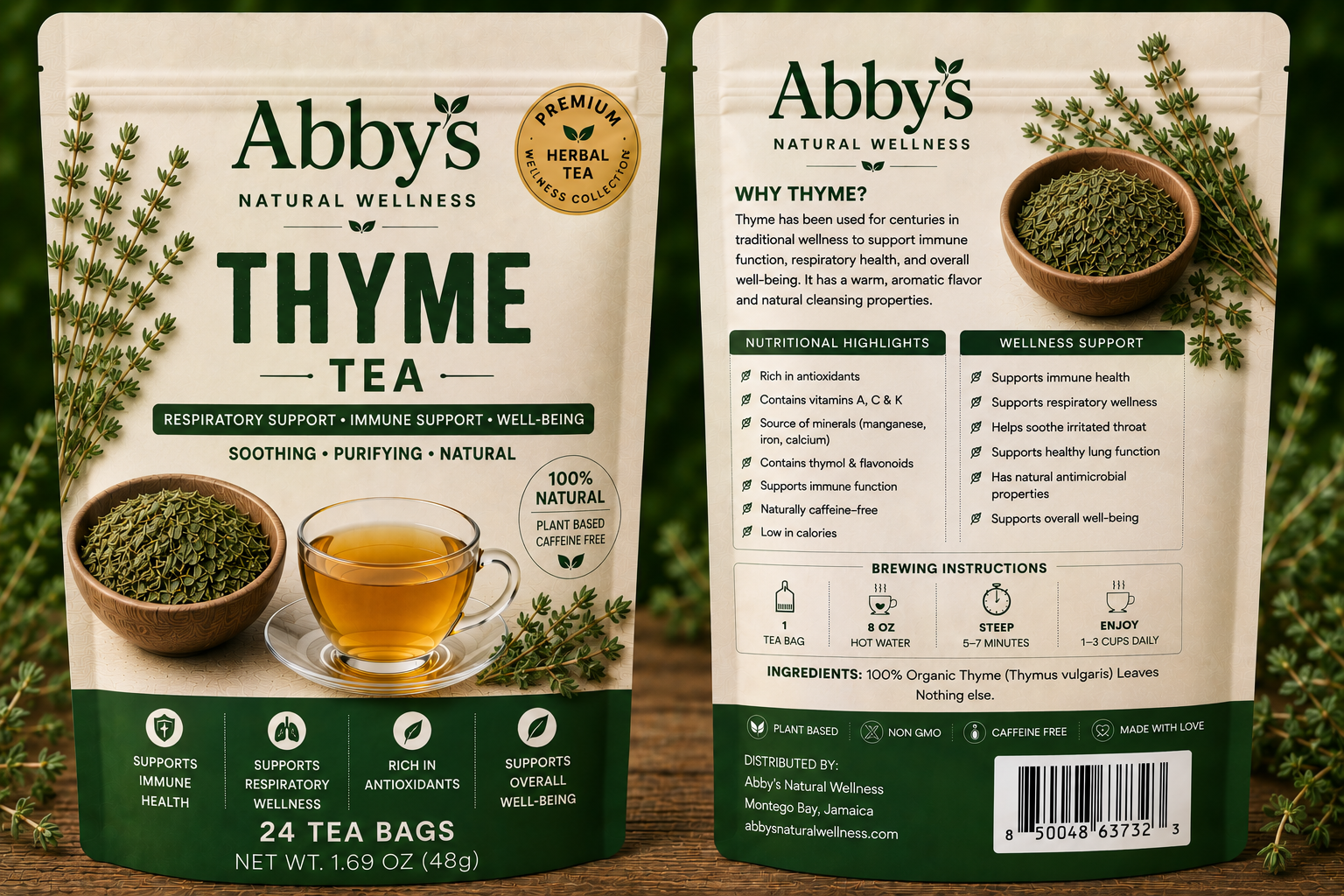
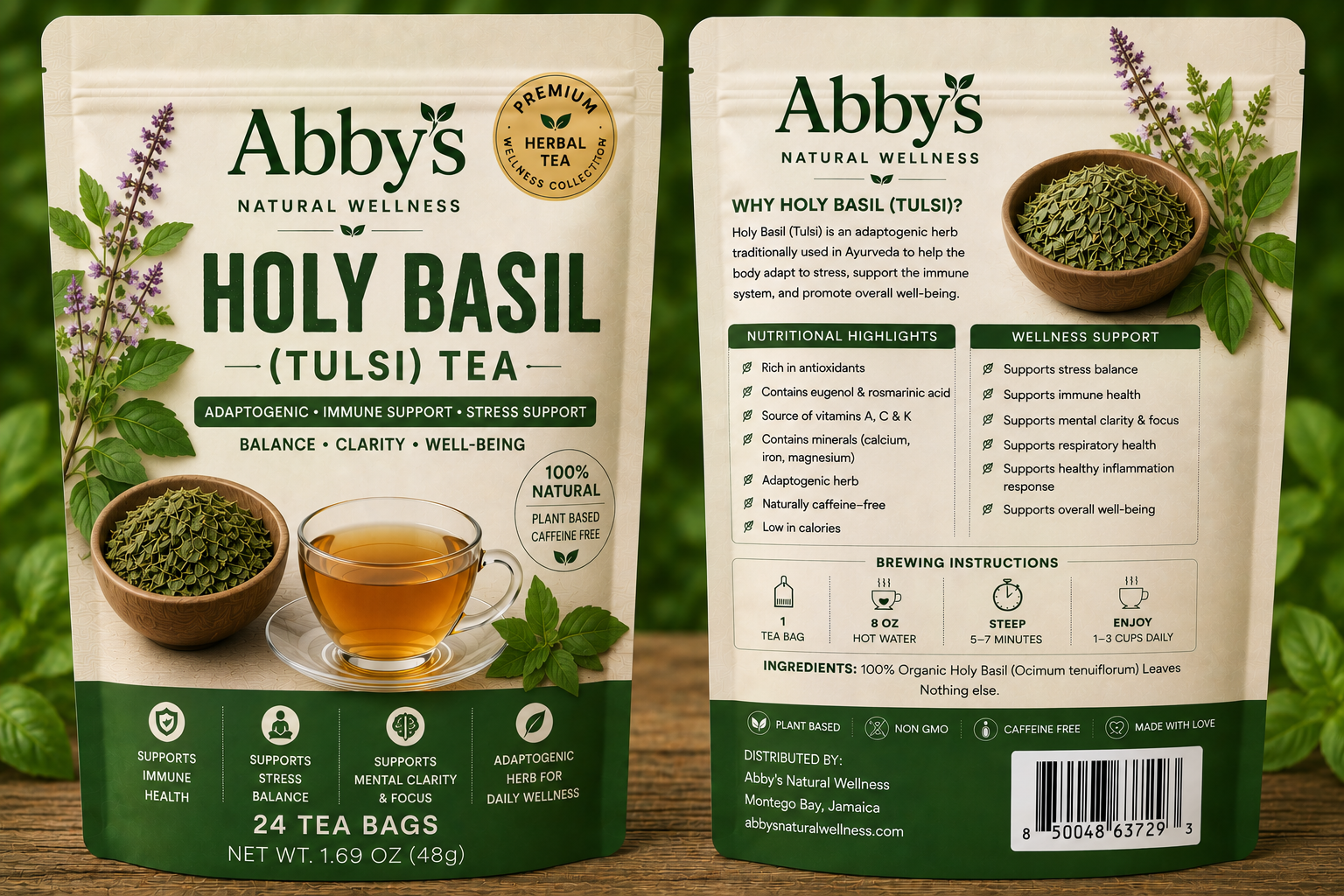
Traditional wellness herbs often combined with Sea Moss Gel:
Sea Moss Gel in Caribbean Wellness Traditions
Sea Moss Gel isn’t new. For generations, people living in the Caribbean and along Atlantic coastlines have used sea moss as part of their daily wellness practice. Mothers added it to their children’s food. Workers ate it before long days of labor. It wasn’t marketed as a “superfood”—it was simply part of how people took care of themselves.
In Caribbean culture, sea moss appears in nutritional drinks, blended with herbs and spices into wellness tonics, and mixed into warm beverages during cooler months. It became so embedded in wellness routines that families would prepare it at home, just like they did with herbal teas.
This traditional use matters because it speaks to sustainability and practicality. People weren’t following a trend. They were using a local, ocean-based food that was accessible, affordable, and worked within the context of their daily lives.
Today, that same tradition continues. People are returning to these time-tested practices, recognizing that sometimes the simplest wellness choices—those rooted in how our ancestors lived—offer real, lasting value.
Potential Wellness Benefits
May Support Daily Nutrition
Sea Moss Gel is nutrient-dense, offering minerals and trace elements in a form your body can easily absorb and use.
May Help Mineral Intake
Ocean-based minerals like iodine, potassium, and calcium are essential for basic body functions and are naturally present in sea moss.
May Support Hydration
Sea Moss Gel has a high water content and minerals that support your body’s natural hydration processes.
May Promote Digestive Wellness
The gel contains compounds that may help support healthy digestion and gut function when included in a balanced diet.
May Support Healthy Lifestyle Habits
Using Sea Moss Gel consistently encourages mindful wellness routines and the daily practice of nourishing your body.
May Help Sustain Energy
The mineral and nutrient profile of sea moss may support sustained energy throughout your day without spikes and crashes.
How People Use Sea Moss Gel
Smoothies
Blend 1–2 tablespoons into your favorite fruit or green smoothie. The gel adds nutrition and creates a thicker, creamier texture without changing the taste.
Fresh Juices
Stir Sea Moss Gel into fresh-pressed juices—especially vegetable juices or citrus blends. It dissolves quickly and enhances the nutrient profile.
Herbal Drinks
Mix into warm herbal teas, bone broth, or wellness tonics. Many people combine it with ginger, turmeric, and honey for a traditional wellness drink.
Soups
Add a spoonful to soups in the last minute of cooking or stir into warm soup just before serving. It thickens the broth and adds minerals.
Oatmeal & Breakfast
Blend into oatmeal, yogurt, or nut-based porridges. It adds creaminess and nutrition to your morning without affecting flavor.
Recipes & Cooking
Use as a thickening agent in sauces, desserts, or raw food preparations. It works in both cold and warm applications.
How Much Do People Commonly Use?
There’s no one-size-fits-all amount. Different people use Sea Moss Gel in different quantities based on their preferences, routines, and goals.
Common starting amounts:
- 1 tablespoon (15 ml) daily as part of a smoothie or juice
- 1–2 tablespoons added to soups or warm beverages
- Small amounts mixed into oatmeal or yogurt throughout the week
- Some people use more; some use less—it depends on personal preference
Most people find a routine that works for them and stick with it. If you’re new to Sea Moss Gel, start with a small amount—about a teaspoon—and increase gradually as you become comfortable with how it works in your body and your daily routine.
Important reminder: Always follow product directions provided by the manufacturer. If you have questions about the right amount for your specific health situation, consult with a healthcare professional.
How to Store Sea Moss Gel
Refrigerator Storage
Sea Moss Gel keeps in the refrigerator for 3–4 weeks when stored in a clean, airtight glass container. Make sure to keep it cold and covered. The cooler temperature slows bacterial growth and preserves the gel’s integrity.
Freezer Storage
For longer storage, freeze Sea Moss Gel in ice cube trays. Once frozen solid (usually 24 hours), transfer the cubes to a freezer bag or container. Frozen portions last 2–3 months. Thaw as needed by adding directly to warm beverages or letting it defrost in the refrigerator.
Signs of Spoilage
Discard your Sea Moss Gel if you notice:
- A sour or unusual smell
- Visible mold or discoloration (dark spots or streaks)
- Separation of liquid with an unpleasant odor
- A texture that’s become slimy or unusual beyond normal thickness
When in doubt, throw it out. Fresh Sea Moss Gel should have a mild, neutral scent and smooth, creamy appearance.
Safety & Important Considerations
Iodine Content
Sea moss is naturally high in iodine, an essential mineral for thyroid health. However, if you have thyroid conditions or are sensitive to iodine, consult a healthcare professional before using Sea Moss Gel regularly. More is not always better when it comes to iodine intake.
Allergies & Sensitivities
Some people may have sensitivities to seaweed or iodine. If you experience itching, swelling, difficulty breathing, or stomach discomfort after consuming Sea Moss Gel, stop use immediately and seek medical attention.
Pregnancy & Breastfeeding
If you’re pregnant or breastfeeding, consult your healthcare provider before adding Sea Moss Gel to your routine. While sea moss has been used traditionally during these life stages, individual circumstances vary, and professional guidance is important.
Medication Interactions
If you take thyroid medications, blood thinners, or other prescription medications, talk to your doctor before using Sea Moss Gel. The high iodine and mineral content could potentially interact with certain medications.
Quality & Sourcing
Not all sea moss is created equal. Source your dried sea moss from reputable suppliers who test for heavy metals and contaminants. Ocean water quality varies by region, and some areas may have higher levels of pollutants. Choose suppliers who are transparent about sourcing and testing.
Scientific Research on Sea Moss
Traditional Use
Sea moss has been used in Caribbean and Atlantic coastal wellness traditions for generations. This long history of use without reported widespread harm suggests a reasonable safety profile in traditional amounts.
Laboratory Research
Studies on sea moss extracts show the presence of bioactive compounds including polysaccharides, minerals, and other nutrients. Lab studies are early steps in understanding potential mechanisms.
Animal Research
Some animal studies suggest sea moss compounds may support digestive function and nutrient absorption. However, animal studies don’t always translate directly to human outcomes.
Human Research
Human clinical trials on sea moss are limited. More research is needed to establish specific health effects in human populations. Current evidence is largely supportive of its use as a nutrient-rich food rather than a medicine.
Bottom line: Sea Moss Gel is recognized as a nutrient-dense whole food. While traditional use is well-documented, more rigorous human research would strengthen our understanding of specific benefits. It’s best understood as a nutritional food rather than a treatment for any condition.
Experience Sea Moss Wellness at Abby’s Juice Bar
If you’re near Lake Worth, Greenacres, West Palm Beach, or anywhere in Palm Beach County, you can experience Sea Moss Gel firsthand at Abby’s Juice Bar. Try our signature Sea Moss smoothies and wellness beverages made fresh daily with the same quality and care we bring to everything we create.
Visit us to taste the difference and meet the team behind Abby’s Natural Wellness.
Visit Abby’s Juice BarExplore Related Wellness Topics
Sea Moss Benefits
A deeper dive into the specific wellness benefits people report from regular sea moss use.
What Is Sea Moss?
Learn about sea moss in its whole form, growing regions, and why it’s been valued for centuries.
What Is Moringa?
Discover another nutrient-dense plant that pairs well with sea moss in wellness routines.
Herbal Teas
Explore our full collection of herbal teas that complement Sea Moss Gel wellness practices.
Wellness Library
Browse our complete collection of wellness guides, education, and herbal plant information.
Building Stronger Sea Moss Authority
To establish even stronger topical authority around sea moss and expand your audience, consider creating these companion pages:
- Sea Moss Smoothie Recipes – 5–7 specific recipes with step-by-step instructions, ingredient lists, and nutritional benefits
- Sea Moss vs. Other Superfoods – Honest comparisons with spirulina, chlorella, and other popular wellness foods
- How to Buy Quality Sea Moss – A buyer’s guide covering sourcing, testing, price ranges, and red flags
- Sea Moss for Specific Goals – Separate guides for energy, digestion, skin health, and athletic performance (with compliant language)
- Sea Moss Tonic Recipes – Traditional Caribbean wellness drink recipes with variations
- The Science Behind Sea Moss Minerals – An educational breakdown of each mineral and its role in body function
- Sea Moss Growing & Sustainability – Information about where sea moss grows, sustainable harvesting, and environmental impact
Frequently Asked Questions About Sea Moss Gel
Sea Moss Gel is a thick, smooth paste made from dried sea moss (Irish moss) that’s been cleaned, soaked, and blended with water. It’s nutrient-dense and naturally contains minerals like iodine, potassium, and calcium. The gel is used as a food addition rather than a supplement—you add it to smoothies, soups, juices, or eat it by the spoonful.
The process is simple: (1) Rinse dried sea moss thoroughly 2–3 times to remove debris and salt. (2) Soak in cold water for 12–24 hours until soft. (3) Blend the soaked moss with fresh water until smooth and creamy. (4) Refrigerate in airtight glass jars. The entire active time is less than 10 minutes; most time is spent soaking and blending.
Refrigerated in an airtight glass container, Sea Moss Gel lasts 3–4 weeks. Frozen in ice cube trays or containers, it lasts 2–3 months. Always store in clean glass containers to prevent contamination. Discard if you notice unusual smell, mold, or color changes.
Yes. Freezing is one of the best ways to extend the life of your Sea Moss Gel. Pour it into ice cube trays, freeze solid (24 hours), then transfer cubes to freezer bags. Use frozen portions directly in warm smoothies, soups, or teas, or thaw in the refrigerator overnight before use.
Absolutely. Smoothies are one of the most popular ways to use Sea Moss Gel. Add 1–2 tablespoons to any fruit or green smoothie. It blends seamlessly, adds nutrition and creaminess, and doesn’t change the flavor. It’s one of the easiest ways to incorporate it into your daily routine.
Common daily amounts range from 1 teaspoon to 2 tablespoons, though this varies by individual preference and routine. Some people use a small amount several times a week; others use it daily. Start with a small amount (1 teaspoon) and increase gradually as you become comfortable. Follow product directions if using a commercial brand. If you have specific health questions, consult a healthcare professional.
Yes. Sea Moss Gel is best stored in the refrigerator immediately after making it. The cold temperature preserves the gel and slows bacterial growth. Do not leave it at room temperature for extended periods. Always use clean jars and keep it covered.
Sea moss is rich in minerals and compounds that support overall nutrition. While consuming it as part of your diet may contribute to general wellness, it’s not a treatment for skin conditions. Some people use sea moss topically in face masks, but this is different from consuming it. For specific skin concerns, consult a dermatologist.
Sea moss has been used traditionally during pregnancy in Caribbean cultures. However, because of its high iodine content and potential interactions with individual health factors, pregnant women should consult their healthcare provider before adding Sea Moss Gel to their routine. Professional guidance is essential during pregnancy.
Yes. Sea Moss Gel can go bad if not stored properly or if it’s kept too long. Discard it if you notice: sour smell, visible mold or dark spots, slimy texture, or unusual color changes. Proper refrigeration in airtight glass containers extends its shelf life to 3–4 weeks. Freezing extends it to 2–3 months.
No. Sea Moss Gel is not intended to diagnose, treat, cure, or prevent disease. It is commonly used as part of natural wellness routines and as a nutrient-dense food addition to a balanced diet. If you have a medical condition or are taking medications, consult your healthcare provider before using Sea Moss Gel.
Sea moss is the dried seaweed in its whole form. Sea Moss Gel is what you create when you clean, soak, and blend that dried moss with water into a smooth, gel-like consistency. The gel form makes it easier to add to foods and beverages, but the nutritional profile is the same.
Visit Abby’s Juice Bar or contact us directly for information about our sourcing practices and quality standards. We prioritize sustainably sourced, tested sea moss that meets our wellness standards. Quality sourcing is fundamental to everything we create.
Yes. Sea Moss Gel works in both cold and warm applications. Add it to soups, sauces, oatmeal, yogurt, smoothies, juices, and raw recipes. It acts as a natural thickening agent and adds nutrition without changing flavor significantly. Experiment with different amounts to find what works for your favorite recipes.
Yes. Sea moss is a seaweed and is 100% plant-based. Sea Moss Gel (made from sea moss and water) is vegan and plant-based, making it suitable for people following vegan, vegetarian, and plant-forward diets.